
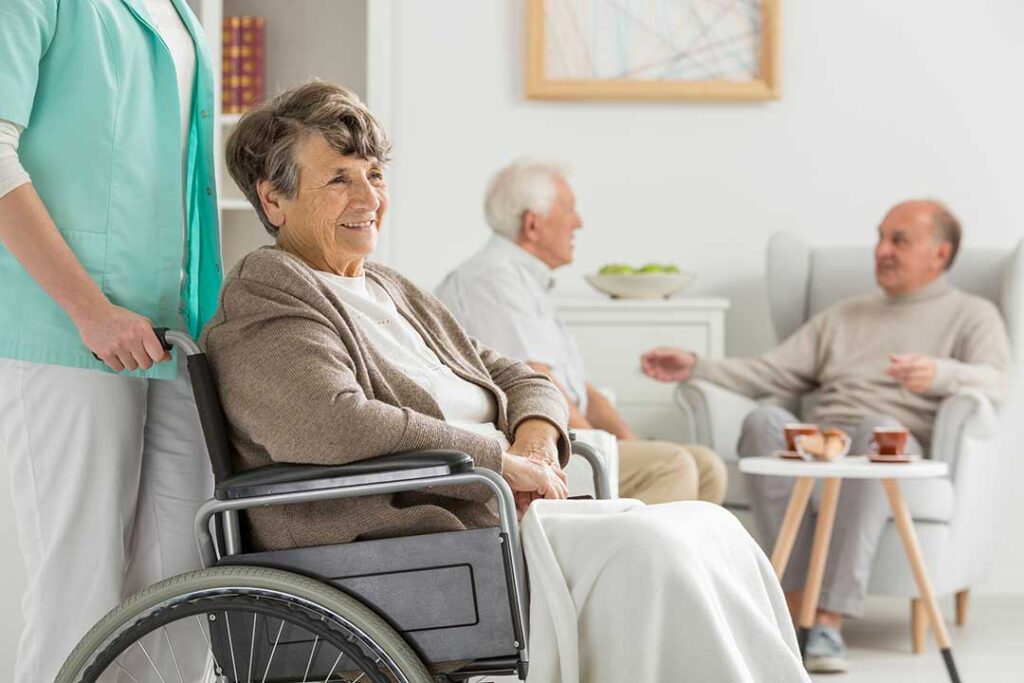
What role does assisted living play in senior mobility?
Assisted living can support mobility by combining safe surroundings, regular movement, help with daily activities, and prompt attention to changes in strength or balance. The goal is not to limit independence. It is to help older adults move as safely and confidently as possible while preserving the abilities they still have.
Mobility includes more than walking from one room to another. It also involves standing from a chair, getting in and out of bed, using the bathroom, reaching for items, navigating stairs, and participating in social activities. A supportive setting can reduce avoidable barriers that make these tasks harder.
For older adults in Hermitage, PA, mobility planning may also need to account for seasonal concerns. Snow, ice, wet entryways, shorter daylight hours, and bulky winter clothing can make outdoor movement more difficult. Assisted living communities often provide indoor routes, shared activity areas, and routines that allow residents to keep moving when outdoor conditions are unfavorable.
How does daily movement help older adults?
Regular movement helps maintain leg strength, joint flexibility, balance, endurance, and confidence. It may also support better sleep, mood, circulation, and participation in social activities. These benefits often come from ordinary movement repeated throughout the day rather than from strenuous exercise.
A resident may build activity into daily routines by:
- Walking to meals or activities
- Standing during parts of a group program
- Practicing safe transfers from chairs or beds
- Taking short walks in hallways or common areas
- Completing seated or standing exercises
- Helping with simple personal tasks when appropriate
Frequent, manageable movement is usually more sustainable than occasional demanding workouts. Rest periods matter, especially for people living with arthritis, heart or lung conditions, neurological disorders, or recent illness.
Does assisted living provide exercise programs?
Many assisted living settings offer structured activities that may include stretching, balance exercises, walking groups, chair exercises, or light strength work. The content and supervision vary, so residents and families should ask what activities are available, how often they occur, and whether modifications are offered.
Exercise programs should match a person’s abilities and medical considerations. Someone who uses a walker may need different instructions from someone who walks independently. A resident with dizziness, pain, or a history of falls may need an individualized plan before beginning a new activity.
Useful questions include:
- Are exercises available for people who must remain seated?
- Can activities be adjusted for arthritis, weakness, or vision changes?
- Is walking encouraged at several points during the day?
- How are new symptoms or difficulty with an activity documented?
- What happens if a resident becomes tired or unsteady?
A program does not need to be intense to be useful. Consistency, appropriate pacing, and safe technique are more important than competition or speed.
How do staff support mobility without taking away independence?
Good mobility support uses the least amount of assistance necessary for safety. If a resident can stand independently but needs extra time, staff should avoid doing the entire task for that person. Completing every task on someone’s behalf may unintentionally reduce daily movement and confidence.
Support may include:
- Offering an arm or steadying assistance when appropriate
- Making sure a walker or cane is within reach
- Allowing extra time for transfers and walking
- Providing reminders to use prescribed mobility equipment
- Accompanying a resident on an unfamiliar route
- Adjusting the environment to reduce obstacles
- Observing changes in gait, balance, or endurance
The right level of assistance can change over time. A resident may need more help after an illness and less help after recovering strength. Regular communication among the resident, family members, medical providers, and care staff helps keep support appropriately matched to current ability.
Why does the physical environment matter?

A safer environment makes it easier to move independently. Clear walking paths, adequate lighting, stable furniture, accessible bathrooms, and appropriately placed handrails can reduce the effort and risk involved in everyday activities.
Common environmental concerns include loose rugs, cords, clutter, poor lighting, slippery floors, low chairs, and items stored too high or too low. Seating can also affect mobility. A chair that is too soft or low may make standing difficult, while a firm chair with armrests may provide better support.
Footwear matters as well. Shoes should fit securely and provide stable traction. Slippers that are loose, worn, or difficult to keep on the feet can increase the chance of slipping.
In the colder months, indoor mobility becomes especially valuable. Wet floors near entrances, snow tracked indoors, and reduced outdoor visibility can create temporary hazards. Prompt cleanup, appropriate footwear, good lighting, and indoor walking opportunities can help residents remain active during winter weather.
Can assisted living help prevent falls?
Assisted living can reduce some fall risks, but it cannot prevent every fall. Falls may result from medication effects, vision changes, blood pressure shifts, muscle weakness, illness, poor balance, or environmental hazards. A prevention plan should look at several causes rather than focusing only on the floor or walking surface.
A mobility review may consider:
- How a resident rises from a chair
- Whether the resident feels dizzy after standing
- Walking speed and steadiness
- Use and fit of mobility equipment
- Bathroom access, especially at night
- Lighting along common routes
- Recent medication or health changes
- Fatigue and activity tolerance
A fall or near-fall should not be dismissed simply because no injury occurred. A near-fall may signal that balance, strength, vision, footwear, medication, or the environment needs further review.
What happens when a resident’s mobility changes?
A sudden change in walking ability, balance, or endurance deserves prompt attention. It may be related to infection, dehydration, pain, medication changes, a neurological event, injury, or another medical problem. New confusion, severe weakness, chest pain, fainting, trouble breathing, or one-sided weakness requires urgent medical evaluation.
For less urgent changes, staff may document what they observe and communicate with the resident’s health care team. The response might include reviewing equipment, changing activity expectations, checking footwear, evaluating the environment, or arranging an assessment by an appropriate licensed professional when needed.
Mobility goals should also be realistic. For one resident, the goal may be walking independently to meals. For another, it may be transferring safely from bed to chair or participating in a seated activity without excessive fatigue. Progress is best measured against the person’s own abilities rather than another resident’s performance.
How can families encourage safe mobility?
Families can support mobility by focusing on confidence and regular participation rather than urging a resident to move faster or farther than is safe. Helpful conversations are specific and calm: asking whether a particular route feels difficult, whether pain limits walking, or whether the resident feels unsteady at a certain time of day.
Family members can also share useful information about previous routines, preferred activities, mobility equipment, and recent changes in function. Consistent footwear, properly fitted devices, updated eyeglasses, and awareness of medication-related dizziness may also support safer movement.
The central aim is continued participation. Walking to a meal, joining an activity, visiting with neighbors, or completing a personal task can all contribute to mobility. Assisted living supports these ordinary opportunities by combining encouragement, appropriate assistance, environmental safety, and attention to changing needs.
